Dental Bonding
Dental Bonding
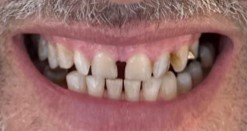
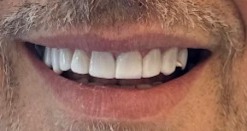
Dental bonding is a conservative procedure in which the dentist builds a new surface on a tooth with a tooth-coloured composite resin. The material is applied in thin layers, shaped by hand and hardened with a curing light, so that it adheres to the natural enamel and blends in with the colour of the neighbouring teeth. Bonding is used both for aesthetic reasons and for functional repairs: rebuilding a chipped edge, closing a small gap, covering a stained or discoloured area, or restoring a tooth that has been weakened by decay or by an accident. At Clinica del Sorriso in Tirana bonding is part of our cosmetic dentistry service, and in many cases the treatment is completed in a single appointment.
Because the composite is added to the tooth instead of replacing it, bonding is one of the most tooth-preserving options in cosmetic dentistry. In most cases the enamel only needs to be gently roughened so that the resin can attach to it, and no drilling of healthy tooth structure is required.
- When is bonding used?
- Damaged teeth: when part of a tooth has been lost to decay or to a trauma and the missing structure has to be rebuilt.
- Broken or chipped teeth: small fractures of the biting edge, which are common on the front teeth after a fall or after biting on something hard.
- Aesthetic improvement: stains that do not respond to whitening, small irregularities of the enamel, or teeth that look too short or worn.
- Correcting shape or size: irregular or uneven teeth and small spaces between the front teeth that can be closed without orthodontic treatment.
The same technique is also used to protect a root that has become exposed when the gums have receded, and to make small corrections that harmonise the smile before or after other treatments.
- Who is a good candidate for bonding?
– Patients with damaged or compromised teeth that still have enough healthy structure to hold a direct restoration.
– Patients who want an aesthetic improvement of one or a few teeth without the preparation that crowns or ceramic veneers require.
– Patients with functional problems when chewing or speaking that are caused by the shape of their teeth.
Bonding is not the right answer for every case. Very large defects, teeth that have lost most of their structure, or patients who grind or clench their teeth strongly are often better served by an inlay or onlay, a crown or an E-MAX veneer, which are more resistant to heavy loads. Any active decay or gum inflammation is treated first. That is why every treatment at our clinic begins with an examination: the dentist looks at the teeth and the bite, explains the options and helps you choose the solution that will last.
- How the treatment is carried out
- Consultation and shade selection: the dentist examines the teeth and gums, checks for decay and, with a shade guide, chooses the composite colour that matches your natural teeth in daylight.
- Preparation: the surface is cleaned and gently roughened, then treated with a conditioning gel and an adhesive so that the resin can bond firmly to the enamel.
- Layering and shaping: the composite is applied in thin layers and sculpted to the planned shape; each layer is hardened with a curing light before the next one is added.
- Finishing and polishing: the dentist trims the restoration, checks how your teeth close together and polishes the surface until it has the natural shine of enamel.
Treating one tooth usually takes less than an hour, and several teeth can often be treated in the same session, which makes bonding well suited to patients who visit Tirana for a short stay.
- Caring for bonded teeth
Composite resin is durable, but it is not as hard as natural enamel or ceramic, and it can absorb colour over time. A few simple habits help the result last:
– Daily hygiene: brush twice a day and clean between the teeth with floss or interdental brushes.
– No hard objects: avoid biting nails, pens or ice, and do not use your teeth to open packages.
– Fewer stains: limit coffee, tea, red wine and smoking, above all in the first two days after the treatment.
– Regular check-ups: during the professional cleaning the dentist can polish the bonding and repair small chips before they grow.
With this care a bonded restoration usually serves well for several years, and when it eventually needs attention it can simply be polished, repaired or replaced without damaging the tooth underneath.
- Conclusion
Bonding is a quick, minimally invasive and affordable way to repair chips, close small gaps and improve the shape and colour of your teeth. At Clinica del Sorriso the first consultation is free: our dentists examine your teeth, tell you honestly whether bonding is the right solution or whether another treatment would last longer, and give you a clear quote before any work begins.
Many of our patients come to Tirana for dental tourism. Our team can help you book your flight and hotel, welcome you at the airport and organise your transfers between the airport, the hotel and the clinic, so that you can combine your treatment with a few days in the Albanian capital. Prices for dental treatment in Albania are often considerably lower than in other European countries, without compromising the quality of the materials and of the care.
Would you like to know whether bonding is right for your smile? Book your free consultation with our dentists in Tirana!
Clinica del Sorriso, St. “Medar Shtylla”, Tirana – phone and WhatsApp +355 69 581 7212 – open Monday to Friday 9:00–17:00, Saturday and Sunday 9:00–14:00.
Frequently Asked Question
Is the bonding procedure painful?
If you are worried that bonding might hurt, you can relax: it is one of the most comfortable treatments in dentistry. It often does not require local anaesthesia at all, because in most cases it only involves the outer layer of the tooth, which does not feel pain. If a tooth first has to be treated for decay, or if the work is close to the gum, the dentist numbs the area so that you feel nothing during the procedure.
After the appointment you can eat and speak normally straight away; some patients notice slight sensitivity to cold for a day or two.
Leave a message
More Services

Oral Surgery

General Dentistry
